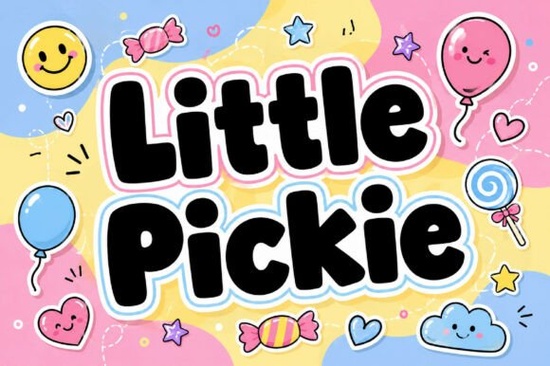
Finding the right typography for children's products requires balancing legibility with a sense of fun. You want a typeface that looks approachable but still reads clearly from a distance. The Little Pickie Font is a display typeface built exactly for this purpose. It features stout, vibrant outlines and softened curves that give off a joyful, energetic vibe. Whether you are designing a new line of kids' apparel or creating classroom posters, this typeface brings a playful personality to your work without sacrificing readability.
What kind of projects work best with a child-centered typeface?
When working on designs meant for younger audiences, the visual tone matters just as much as the written message. This specific typeface excels in environments that require a friendly and welcoming atmosphere. Crafters, teachers, and small business owners frequently use this style for a variety of physical and digital goods.
- Plaything labels and packaging: The thick structure stands out clearly on small tags and boxes, making the product instantly recognizable to parents and children alike.
- Book covers: It draws the eye on physical and digital shelves, setting a cheerful tone before the book is even opened.
- Educational materials: Flashcards, alphabet charts, and classroom posters become much more engaging when the lettering feels approachable rather than strict.
- Social media content: It adds a buoyant touch to Instagram stories or Pinterest graphics aimed at family-oriented audiences.
How does the letterform design affect readability on merchandise?
A common issue with novelty typography is that it becomes difficult to read when printed on textured surfaces. Because this display font has a uniform, thick, and rounded structure, it holds up incredibly well on both fabric and paper. Print-on-demand sellers and crafters using vinyl cutting machines can confidently apply it to t-shirts, canvas tote bags, and ceramic mugs.
The letters remain distinct even when scaled down for a small chest logo or stretched across a wide banner. The uniform weight means no single letter overpowers the others, keeping the overall word shape balanced. If you are expanding your shop's catalog and need contrasting styles to offer more variety, you might also explore a rugged western block style for rustic themes. Alternatively, a softer, hand-lettered alternative could work perfectly for delicate baby shower invitations.
Are there specific rules for pairing it with other typography?
To keep your layout clean and professional, it is best to pair this highly stylized typeface with a simple sans-serif or a highly legible serif font for your body text. Let the rounded, playful letters do the heavy lifting for your main headlines and titles. Overusing a decorative typeface can clutter a design and frustrate the reader.
If your brand requires a mix of energetic and thematic elements, you can balance the cheerful look by introducing a dynamic dancing script for secondary accents. For a completely different seasonal collection, you might even test out a vintage saloon lettering for a retro kids' clothing line, or a hollow retro style for seventies-inspired nursery decor.
Where can designers learn about commercial font licensing?
Before selling any physical or digital products featuring new typography, you must verify the licensing terms. Most standard marketplaces provide clear commercial use guidelines for independent crafters and small businesses. Reviewing resources like the Creative Fabrica font license guide ensures you are legally protected when creating items for sale. Always check if the license covers print-on-demand manufacturing, as some basic personal licenses do not permit commercial distribution.
What should you check before sending your design to print?
Before you finalize your next design project, run through this quick practical checklist to ensure the best results:
- Test the scale: Print a sample page at home to ensure the rounded edges do not blur or bleed together at smaller sizes.
- Check the contrast: Place the text on a solid, brightly colored background to make the stout outlines pop against the canvas.
- Verify the license: Confirm your current subscription covers commercial merchandise if you plan to sell the final physical product.
- Limit the usage: Use this font strictly for headlines, logos, and short phrases to maintain its visual impact and keep the design legible.
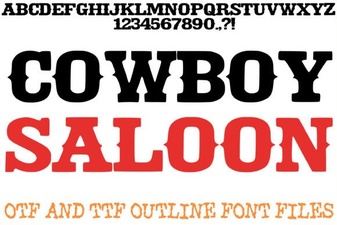 Design with Cowboy Saloon Font Style
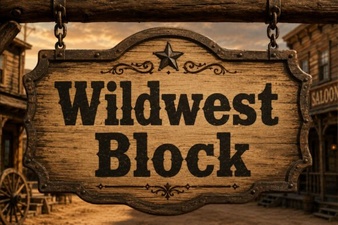 Download Wildwest Block Font for Creative Projects
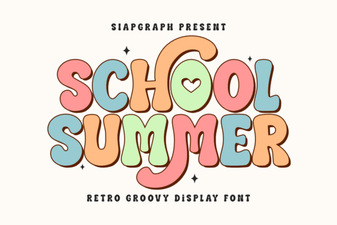 Best Fonts for School Summer Projects & Designs
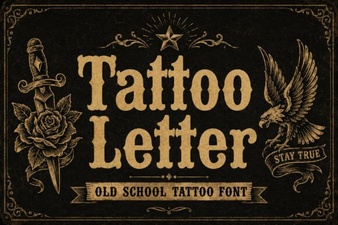 Creative Tattoo Letter Font Ideas & Styles
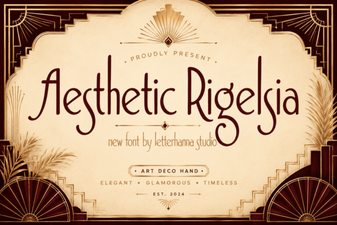 Aesthetic Rigelsia Font for Creative Design Projects
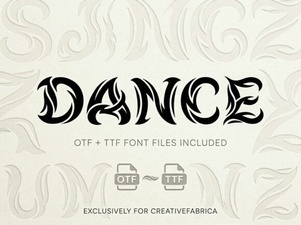 Free Dancing Fonts for Creative Projects