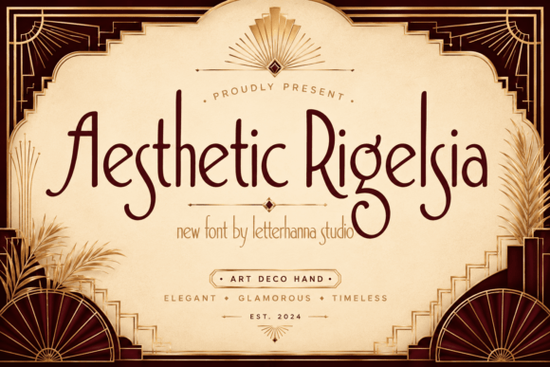
Typography sets the tone before a single word is read. If you are designing luxury packaging, wedding invitations, or high-end brand logos, the lettering needs to signal quality immediately. The Aesthetic Rigelsia Font offers exactly that kind of visual authority. Inspired by the bold, geometric shapes of the 1920s Art Deco movement, this display typeface relies on ultra-tall verticals and sweeping curves to command attention. It is an excellent choice for designers, print-on-demand sellers, and small business owners who want their work to look expensive and memorable.
How does Art Deco typography influence customer perception?
When people see geometric, elongated letterforms, they often associate them with the glamour and exclusivity of the 1920s. This visual language acts as a built-in trust signal. For a small business selling premium goods, using a typeface with this kind of history can make a product label look like it belongs on a boutique shelf in Paris. Crafters making custom event signage will find that these sharp, luxurious lines give their work a professional finish. It removes the guesswork from creating a high-end aesthetic for your target audience.
What projects are best suited for ultra-tall display fonts?
Because of its strong vertical presence, this specific typeface works best in spaces where it has room to breathe. You should avoid cramming the letters into tight horizontal spaces. Instead, consider these practical applications:
- Brand Logos: The geometric curves make for striking, recognizable wordmarks that stand out on social media profiles and physical storefronts.
- Wedding Invitations: It brings a formal, structured feel to event branding, especially when printed on heavy cardstock or textured paper.
- Editorial Spreads: Magazine covers and bold article headlines benefit from the sharp contrast and clear lines.
- Luxury Packaging: Perfume boxes, cosmetic labels, and premium food items instantly look more expensive when paired with this style.
If you are building a broader collection for your design business, you might also explore different moods. For instance, incorporating a versatile set of monogram letters can help you offer personalized branding packages alongside your main logos.
How should I pair this lettering with other typefaces?
A highly decorative display font needs quiet companions to maintain readability. Since the main typeface does the heavy lifting for your headline, your body text should remain clean and simple. A standard sans-serif works perfectly for paragraphs. If you want to add a secondary accent font for subheadings or short quotes, consider something with a softer touch. A flowing script like this elegant handwritten alternative provides a beautiful contrast to the rigid Art Deco geometry. Alternatively, a classic serif such as this traditional editorial option bridges the gap between vintage charm and modern clarity.
Can I use this style for casual or playful designs?
While it excels in formal and luxurious settings, you can adapt the 1920s look for more relaxed projects by changing your color palette and layout. Instead of gold foil and black backgrounds, try pastel colors or watercolor washes for a retro, approachable feel. However, if your project requires something inherently bouncy or informal, you might need to pivot completely to a lively script or an retro outlined style to match the mood. For anything that needs to convey trust, heritage, or premium quality, sticking to the geometric vertical lines is your best strategy.
What is the best way to format these letters?
Before you finalize your next project, follow this quick process to ensure your typography looks professional:
- Select your layout: Give the elongated letters plenty of vertical room to breathe on the page.
- Adjust your spacing: Add generous kerning between characters. Tight spacing can make tall letters difficult to read.
- Choose a background: Place the text against a solid, uncluttered color so the sweeping curves stand out.
- Review the pairing: Ensure your body text is a minimal, easy-to-read font to balance the visual weight.
Remember to limit your usage. Reserve this typeface for headlines, logos, and short quotes. Do not use it for long paragraphs. Additionally, if you must underline text for emphasis, do it only on short phrases to avoid clashing with the bottom curves of the letters. Download the files, test the spacing in your design software, and start building your next luxury brand identity.
Download Now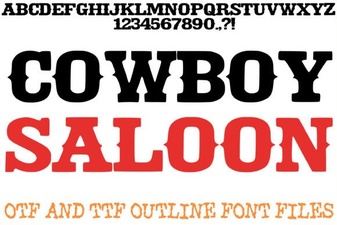 Design with Cowboy Saloon Font Style
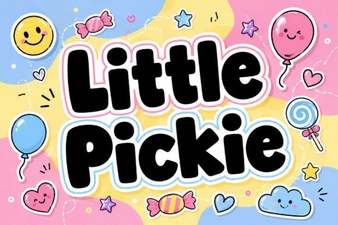 Little Pickie Font: Free Creative Web Font
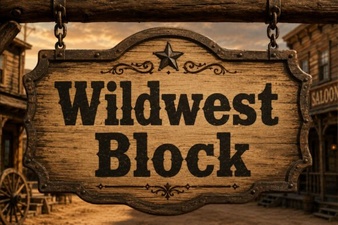 Download Wildwest Block Font for Creative Projects
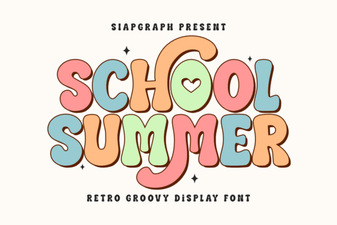 Best Fonts for School Summer Projects & Designs
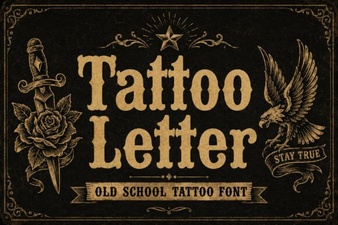 Creative Tattoo Letter Font Ideas & Styles
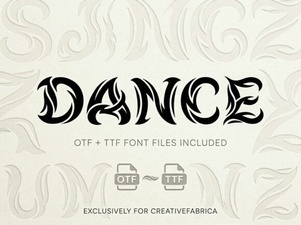 Free Dancing Fonts for Creative Projects