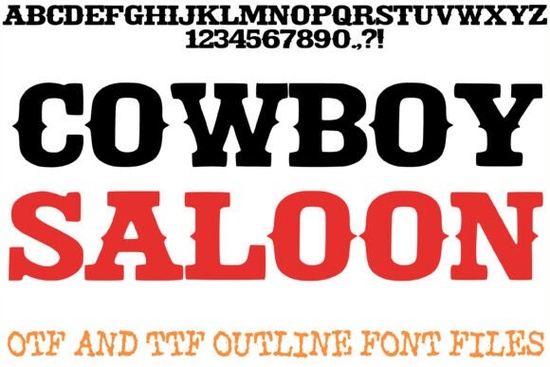
Finding the right typography for a rustic project can be difficult when most modern typefaces look too clean or digital. If you need a sturdy, historical aesthetic, the Cowboy Saloon Font offers a strong solution for your design work. This bold display typeface draws direct inspiration from vintage frontier signage and classic saloon posters. It gives designers, small businesses, and crafters a rugged tool for Western-themed branding, heritage apparel, and traditional pub menus. When browsing typography libraries, you can easily locate this specific saloon-inspired display style to start building your visual identity.
What kind of projects require a vintage frontier aesthetic?
When building an identity for a craft distillery or a rustic barbecue restaurant, standard sans-serif fonts often fall flat. You need characters that carry an authentic mid-century frontier energy. With its strong slab serifs, this display font brings an authoritative presence to any physical layout. It works perfectly for print-on-demand sellers creating graphic tees or small business owners designing tactile, letterpress menus. The sharp edges mimic the look of hand-carved wood or cast iron. Color palettes play a huge role in selling this historical look. Stick to earthy tones like deep burgundy, burnt orange, and mustard yellow, which naturally complement the heavy strokes of the typeface. If you prefer a slightly softer approach for your rustic themes, you might also explore softer vintage lettering options to contrast with heavy block styles and create a more inviting brand atmosphere.
How do the decorative details affect readability?
The standout feature of this typeface is the decorative side spurs attached to the letters. While highly ornamental, the underlying structure remains sturdy and grounded. This means it holds up well on large format prints like rodeo flyers and country music festival posters. When setting text, it is important to keep the message brief. Display fonts are meant for headlines, logos, and short quotes rather than long paragraphs of body text. For the smaller text in your design, pair it with a simple, highly legible font or a clean handwritten script. This creates visual balance without overwhelming the reader or making the layout look cluttered.
Which materials work best for printing Western typography?
Print-on-demand sellers and hobbyists should always consider the physical texture of their materials when using sharp-edged typefaces. The bold lines of this font look excellent when screen-printed on heavy cotton canvas, stamped into leather goods, or embroidered onto denim jackets. You can also use the file for laser-cut wood signs or metal workshop plaques. Digital mockups are helpful, but physical textures change how the ink sits on the page. The slight bleed of ink on raw paper actually enhances the vintage vibe, making the sharp edges look naturally weathered. The thick strokes ensure the letters do not break or become fragile during the manufacturing process. If your specific project requires an even heavier, more geometric block style, checking out a sturdier western block alternative might give you the exact visual weight you need for large outdoor signage.
How can you build a complete branding kit around this style?
Creating a cohesive brand requires more than just a single headline font. Once you establish your primary logo mark using this bold slab serif, you need supporting elements to round out the design. You can mix it with secondary typefaces for subheadings, packaging details, and product descriptions. Adding a collection of custom initials allows you to create matching merchandise tags, drink coasters, and social media watermarks that tie back to the main frontier theme. This layered approach ensures your brand looks professional and historically accurate across every customer touchpoint.
Practical tips for setting up your next rustic design
- Limit your word count: Use this typeface for one to four words maximum to maintain its high-impact visual effect and prevent readability issues.
- Adjust letter spacing: Tighten the tracking slightly on uppercase words to make the decorative side spurs interact closely with the negative space.
- Choose contrasting colors: Pair dark charcoal text with a faded cream or textured paper background to mimic authentic historical posters.
- Test print sizes: Always print a small physical sample before committing to a large production run to ensure the intricate serifs remain sharp on your chosen material.
 Little Pickie Font: Free Creative Web Font
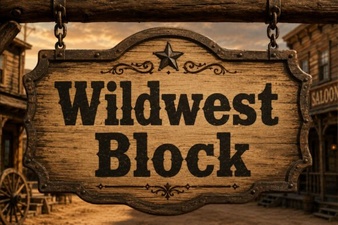 Download Wildwest Block Font for Creative Projects
 Best Fonts for School Summer Projects & Designs
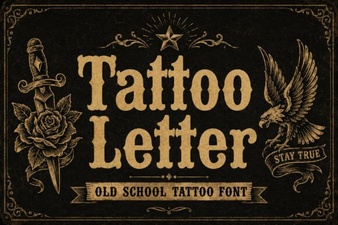 Creative Tattoo Letter Font Ideas & Styles
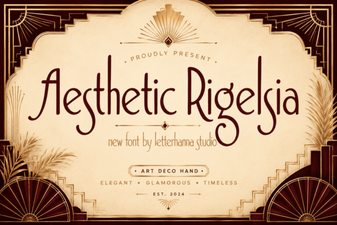 Aesthetic Rigelsia Font for Creative Design Projects
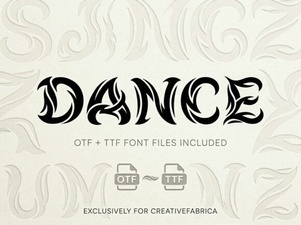 Free Dancing Fonts for Creative Projects