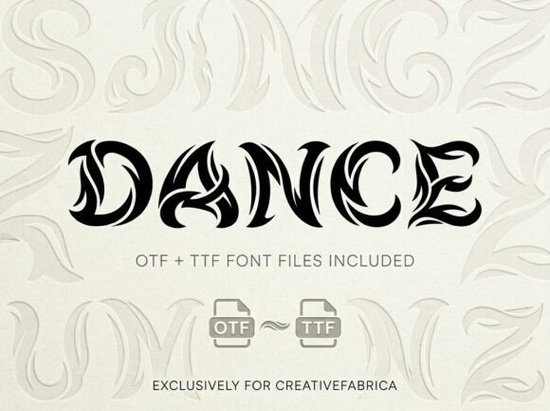
If you are looking to add a bold, tribal-inspired aesthetic to your next project, the Dance Font is a striking choice. This display typeface blends ancient artistic influences with modern fluidity, making it perfect for designers and crafters who need high-energy typography. Whether you are creating edgy streetwear graphics, festival posters, or tattoo-inspired branding, this font delivers a handcrafted feel that immediately grabs attention.
What makes this typeface stand out for bold branding?
The design of this typeface is heavily inspired by traditional tribal artistry. It features bold, fluid letterforms with sharp, flame-like points. What really makes it unique is the intricate internal negative space. These cutouts mimic the movement of flickering fire or flowing ink, giving the letters a sense of motion even when they are static.
There is a great architectural balance here. The solid black strokes ground the design, while the airy, swirling details keep it from feeling too heavy. If you are working on a project that needs a rugged vibe but with a more structured look, you might also explore a western style block typeface to see how different textures serve similar branding goals.
How can print-on-demand sellers use this style?
For print-on-demand sellers, typography is often the main selling point of a product. This specific style works incredibly well on dark-colored apparel, canvas bags, and metal prints. The high contrast between the solid black letterforms and the negative spaces ensures the design pops on fabrics like black cotton or navy heather.
When building a merchandise line, variety is key. While this heavy, fiery style is perfect for your edgy streetwear collection or concert merch, you will need softer options for other demographics. For children's apparel or playful summer merch, you would want to pair your main brand with something much lighter, like a cute handwritten script. Similarly, it works beautifully for high-energy seasonal campaigns, though you might switch to a bright seasonal lettering style when the new academic year starts to keep your store feeling fresh.
Where does this font work best in digital and print layouts?
Because of its highly decorative nature, this typeface is strictly a display font. It is meant for short phrases, single words, or large headers. It is an excellent choice for modern dance studio logos, cultural campaign headers, and high-energy event banners.
When designing a multi-page brochure, a website header, or a detailed poster, you must pair it with a highly readable secondary font. Balancing this heavy display font with a clean, refined elegant typeface for your body text keeps the layout readable and professional. For modern, trendy social media graphics, combining it with an aesthetic minimalist font creates a professional visual hierarchy that guides the viewer's eye.
What are the best practices for pairing and scaling?
Working with highly detailed display fonts requires a bit of strategy to ensure your final product looks professional. Here are a few practical rules to keep in mind when integrating this style into your workflow:
- Limit your word count: Use this typeface for headers, logos, or short phrases of no more than three to four words. The intricate details will blur and become unreadable if the text is too long.
- Mind the size: Never drop this font below 24 points in print or 32 pixels on screen. The sharp flame-like points and internal negative spaces need physical room to breathe.
- Watch the tracking: Because the letterforms are already so dynamic and wide, avoid adding extra letter spacing. Tight or default tracking usually looks best.
- Choose the right background: This font shines brightest on solid, dark, or textured backgrounds. Avoid placing it over busy photographic backgrounds where the intricate cutouts will get lost.
How do you prepare the final files for production?
Before sending your designs to a printer or uploading them to a print-on-demand platform, always check your file setup. If you are sending a vector file to a screen printer, make sure to expand or outline your text so the printer's system doesn't substitute the font. If you are designing for digital use, ensure you have the proper web font licenses if you are embedding it directly into a website.
Next Step: Open your design software and type out your brand name or project header using this typeface. Experiment with placing it over a dark, textured background, and try pairing it with a simple sans-serif for your subtext to see the contrast in action.
Explore Design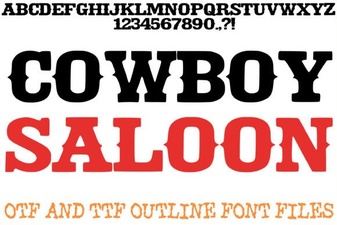 Design with Cowboy Saloon Font Style
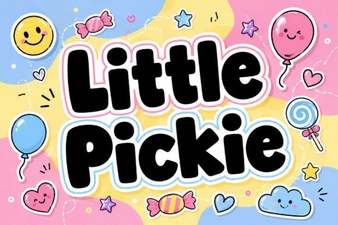 Little Pickie Font: Free Creative Web Font
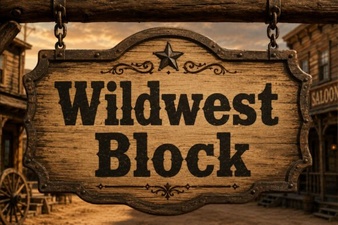 Download Wildwest Block Font for Creative Projects
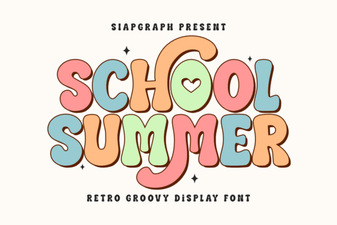 Best Fonts for School Summer Projects & Designs
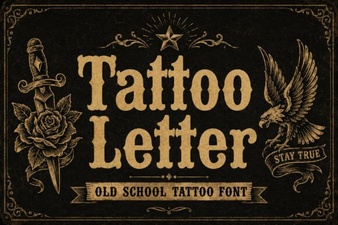 Creative Tattoo Letter Font Ideas & Styles
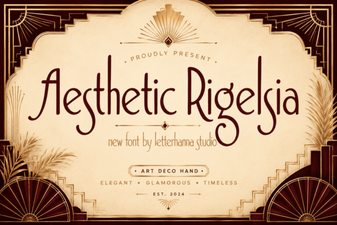 Aesthetic Rigelsia Font for Creative Design Projects