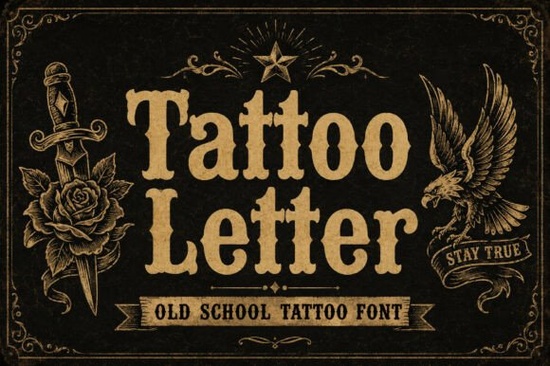
Finding the right typography for vintage-inspired projects can be tricky. If you are working on a streetwear brand or a craft brewery label, you need type that feels authentic and raw. The Tattoo Letter Font brings that exact old school flash art aesthetic to your digital workspace. With its heavy, ornamental letterforms and rhythmic dots, it mimics the weathered, hand-crafted texture of traditional ink.
Why do designers choose traditional ink styles for streetwear?
Streetwear and custom motorcycle graphics rely heavily on visual weight and character. A clean, modern sans-serif often falls flat when a brand wants to project a rebellious, gritty personality. Typography featuring classic western serifs and a distressed texture immediately tells a story of professional artisanal grace. When you browse through the dedicated display fonts section for this tattoo style, you will notice how the decorative flair stands out on high-impact editorial headers and apparel. The visual density of the letters ensures your main message is the first thing a customer notices, giving your merchandise an unforgettable presence.
How do you use weathered typefaces for print-on-demand products?
Print-on-demand sellers need designs that grab attention on mobile screens and translate perfectly to physical items. Because this typeface carries a robust visual weight, it works exceptionally well across various merchandise categories:
- Craft brewery labels: The thick, ornamental shapes hold up beautifully on textured paper and amber glass bottles, giving homebrews a professional taproom feel.
- Custom t-shirts: The vintage flash art look appeals strongly to fans of traditional Americana, rock music, and biker culture.
- Die-cut sticker packs: The rhythmic dots and hand-crafted edges make laptop and water bottle stickers look genuinely worn and collected, rather than digitally printed.
- Poster art: Use the font for main titles at music festivals or local garage events to set an immediate tone.
To keep your shop's catalog diverse, you might balance this heavy lettering with lighter, contrasting choices. For instance, pairing a thick vintage header with smooth, flowing scripts such as Aesthetic Rigelsia can soften a label design for a broader audience. Alternatively, combining it with rugged western typography like Cowboy Saloon leans further into the rustic, frontier theme.
What projects should avoid heavy ornamental letterforms?
While this aesthetic is striking, it is not a universal solution for every design problem. Highly ornamental fonts can become difficult to read at small sizes or from a distance. You should avoid using them for long paragraphs of body text, legal disclaimers, or minimalist corporate branding. Instead, reserve them for short, punchy headlines, main logos, and large initial drop caps.
If you are working on a project that requires a more youthful, energetic vibe, a distressed tattoo style might send the wrong message. In those cases, you are better off exploring bright, retro styles found in School Summer for teenage apparel, or even playful display options like Little Pickie for children's craft kits and birthday invitations.
How can you ensure your vintage designs print clearly?
When working with textured, weathered typefaces, the physical printing method matters just as much as the digital file. Screen printing and direct-to-garment machines handle distressed edges and tiny rhythmic dots differently. Fine details can sometimes fill in with ink or fail to transfer onto heavily textured fabrics like canvas or thick cotton. Always request a physical sample or print a test sheet on your home printer before running a full batch of merchandise. Adjusting the letter spacing slightly wider can also help preserve the hand-crafted texture when scaling the design down.
Practical Checklist for Your Next Typography Project
Before finalizing your artwork, run through these quick steps:
- Check the contrast: Ensure the weathered texture does not blend into a busy background image.
- Test the scale: Shrink your design down to the size of a mobile screen to verify the classic western serifs remain legible.
- Mix weights thoughtfully: Use a simple, clean sans-serif for your subheadings to let the main vintage font take center stage.
- Verify licensing: Double-check that your font license covers commercial merchandise if you plan to sell your designs on physical products.
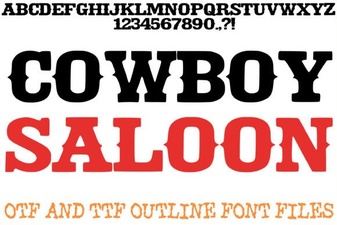 Design with Cowboy Saloon Font Style
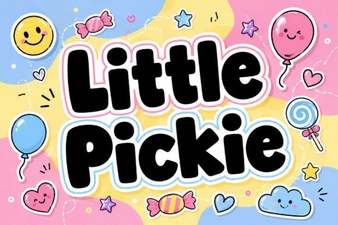 Little Pickie Font: Free Creative Web Font
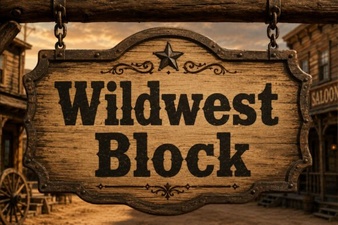 Download Wildwest Block Font for Creative Projects
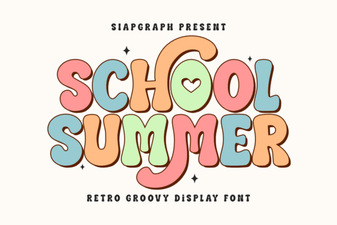 Best Fonts for School Summer Projects & Designs
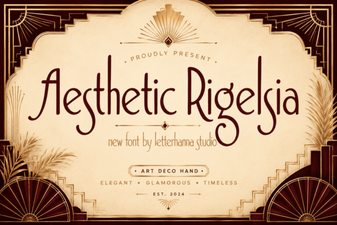 Aesthetic Rigelsia Font for Creative Design Projects
 Free Dancing Fonts for Creative Projects