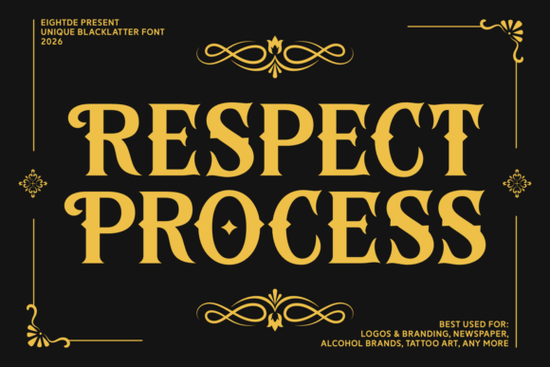
Finding the right typeface for edgy, alternative, or streetwear projects often means stepping away from clean, modern sans-serifs. The Respect Process Font is a striking blackletter tattoo style typeface designed to bring a strong, aggressive presence to your graphics. Whether you are a print-on-demand seller creating your next apparel line or a designer building a brand identity for an independent craft brewery, this specific lettering style offers the heavy contrast needed to grab attention immediately. It mimics the bold, permanent nature of traditional ink work, providing a raw aesthetic that stands out in crowded markets.
How does a tattoo style typeface work on apparel?
Streetwear and alternative fashion rely heavily on bold visual statements. When you apply heavy gothic lettering to t-shirt graphics or hoodies, the design instantly communicates a rebellious, underground aesthetic. This makes it highly effective for bands, skate brands, and tattoo studios looking to merchandise their identity. For print-on-demand sellers, having a reliable, heavy font reduces the need for complex illustrations, allowing the typography itself to serve as the main artwork.
When working with this style on clothing, keep a few technical aspects in mind:
- High contrast readability: The thick and thin strokes remain legible even when printed large across a chest or back panel, ensuring your message is clear from a distance.
- Textural weight: The sharp edges and dense structure add a natural grunge element without requiring you to add extra distress overlays or textures in your design software.
- Versatility in layout: It pairs easily with classic American traditional flash art, skull motifs, or even minimalist line work, giving crafters and hobbyists plenty of room to experiment.
What branding projects suit this gothic lettering?
Beyond clothing, this typeface excels in environments where a brand needs to project authenticity and heritage. Alcohol brands, particularly craft breweries, distilleries, and dive bars, frequently use historical lettering to suggest tradition and craftsmanship. You can use it for bottle labels, tap handles, coasters, or exterior pub signage. The intricate details convey a sense of established quality that appeals to niche audiences.
It is equally effective in print media. If you are exploring other options in this specific category, you might want to compare different gothic and old english typefaces to see which weight best fits your newspaper or flyer layout. The sharp serifs and dense structure make it an excellent choice for editorial headlines, gig posters, or event flyers where you need the text to anchor the entire page. Small businesses hosting underground music events or alternative art shows will find that this style perfectly matches their promotional needs.
How should I pair it with other typography?
Because the letterforms are so ornate and heavy, pairing them requires a careful approach. You want to avoid competing for attention. If every element in your design is loud, the final product becomes unreadable.
- Use a clean sans-serif for body copy: Keep your paragraphs, pricing, dates, or contact details in a highly readable, simple font. Let the blackletter handle the headline while a neutral font delivers the necessary information.
- Limit the color palette: Black and white creates the most striking impact, staying true to traditional tattoo aesthetics. However, adding a single accent color like deep crimson, forest green, or metallic gold can enhance the premium feel of a logo or label.
- Give it breathing room: Do not crowd the letters. Allow generous margins around your text blocks so the intricate details of the tattoo style can be fully appreciated without feeling cramped.
Where can designers download this file?
Getting the correct file formats is crucial for both digital and print work. You can find and license the Respect Process Font directly through the marketplace. Having access to the standard OTF and TTF files ensures that your design software, from Adobe Illustrator to Cricut Design Space, will render the sharp edges perfectly. This reliability is essential for small businesses that cannot afford production errors.
Quick checklist before sending your design to print
Before you finalize your artwork for a t-shirt run or a batch of promotional flyers, run through this short list to ensure your lettering holds up in the real world:
- Convert all text to outlines or paths so the commercial printer does not need to install the specific file on their end.
- Check the thinnest parts of the letters to ensure they will not break apart or fill in during the screen printing or vinyl cutting process.
- Verify the spelling carefully, as heavy gothic styles can sometimes make simple typos much harder to spot.
- Test the design at actual size on your screen or print a quick paper proof to confirm the negative space remains clear and readable.
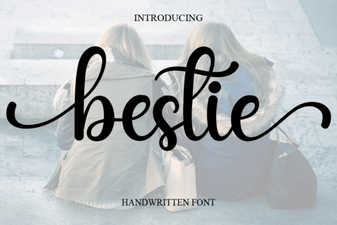 Bestie Font: Adding Personality to Your Designs
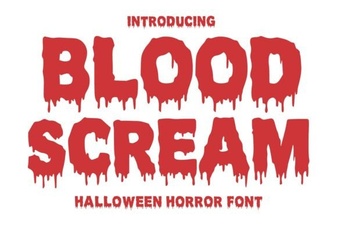 Blood Scream Font for Horror Project Designs
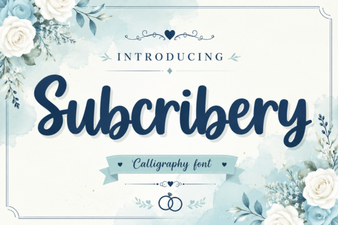 Modern Fonts for Projects & Designs
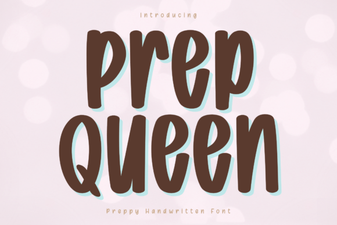 Prep Queen Font Inspiration & Download Guide
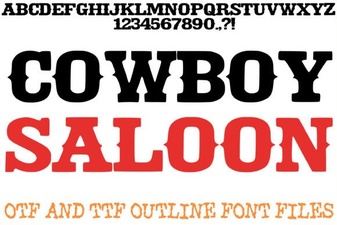 Design with Cowboy Saloon Font Style
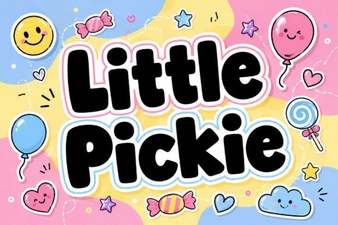 Little Pickie Font: Free Creative Web Font