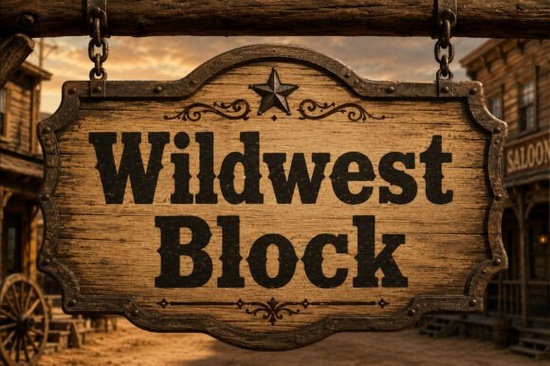
Western typography brings a specific kind of rugged authenticity to visual projects. Whether you are designing a craft beer label, a country music poster, or a boutique storefront sign, you need letterforms that feel grounded and historical. The Wildwest Block Font does exactly this by blending heavy block shapes with old-fashioned cowboy charm. It gives graphic designers, crafters, and print-on-demand sellers a reliable tool for creating rustic branding without relying on overly complicated layouts. The thick, slab-like structures provide excellent visibility, making them a practical choice for physical products that need to catch the eye from a distance.
How can you use western typography for small business branding?
Small businesses in the food, beverage, and outdoor apparel industries often rely on vintage aesthetics to build consumer trust. A sturdy display typeface works perfectly for main logos because the heavy letterforms remain highly readable even when scaled down on a business card or social media profile. When working on a brand identity, visual contrast is your best tool. You might want to balance this heavy western style with something much more fluid. For example, pairing a solid block font with a flowing dance inspired display typeface creates an excellent contrast between the rugged primary text and the delicate secondary details.
If your brand leans more toward a playful, rustic country store vibe rather than a serious outdoor company, you could even mix it with a sweet and friendly lettering option for your subheadings. This combination softens the harsh edges of the western letters while maintaining a cohesive, handmade feel that appeals to local shoppers.
What craft projects work best with a bold cowboy style?
Creative hobbyists constantly look for versatile assets that adapt to different physical materials. Wood burning, leather stamping, and vinyl cutting require fonts with clear, defined edges that will not blur during production. The thick strokes of a western block font prevent thin lines from breaking or peeling off during the weeding process.
- Apparel: Print-on-demand sellers can use these thick letters on heavy cotton t-shirts, canvas tote bags, and trucker hats. The bold shapes hold up exceptionally well during screen printing and direct-to-garment processes.
- Packaging: Artisan goods like small-batch beard oils, spicy hot sauces, and handmade soaps look authentic when labeled with vintage block lettering. It instantly communicates a handcrafted, small-batch quality.
- Signage: Chalkboard menus and wooden directional signs at rustic weddings or outdoor festivals need heavy fonts that stand out clearly against highly textured backgrounds like wood grain or slate.
Sometimes a crafting project requires a completely different mood. If you are designing a nursery decor piece or a baby shower invitation instead of a rugged leather tag, you might want to pivot to a little pickie style font that feels much softer and more approachable for children's items.
Which lettering styles pair well with rugged display typefaces?
Pairing heavy, vintage block letters requires careful consideration of overall visual weight. Since the main western font commands so much attention on the page, your supporting text needs to either complement that heavy weight or provide a sharp, deliberate contrast. Overcrowding a design with multiple bold fonts makes the final product difficult to read.
One highly effective method is using a hollow or outlined style for your secondary text. An outline groovy typeface can add a retro, multi-layered look to a concert poster without fighting the solid, filled shapes of your primary heading. Another popular option is to introduce a highly detailed, traditional script. If you are working on a tattoo flash sheet, a motorcycle club patch, or a rebellious bar logo, pairing your western block letters with a tattoo style lettering font creates a gritty, underground aesthetic that appeals directly to that specific audience.
How should you prepare your typography for final production?
Before sending your rustic design to a printer or cutting machine, you need to ensure the files are properly formatted. Block fonts are forgiving, but poor spacing can still ruin a layout. Always convert your text to outlines or paths before handing the file off to a manufacturer. This prevents missing font errors and ensures the exact shape of your letters remains intact. Adjust the kerning manually if the default spacing leaves awkward gaps between the thick vertical stems of the characters.
Run through this quick checklist before finalizing your next western-themed project:
- Test the font at a very small scale to ensure the block letterforms do not bleed together when printed on textured paper.
- Check the contrast ratio between your heavy western font and your background color or texture.
- Export a sample of your logo or label and view it on a mobile screen to verify everyday readability.
- Ensure all text layers are outlined and flattened if you are sending the file for custom vinyl cutting.
Start your next layout by sketching the design on paper, placing your boldest words in the center, and building your supporting text around it to maintain a strong visual hierarchy.
Try It Free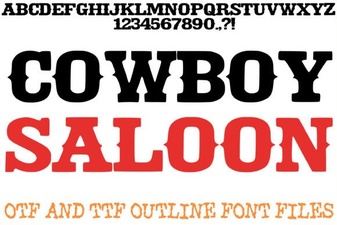 Design with Cowboy Saloon Font Style
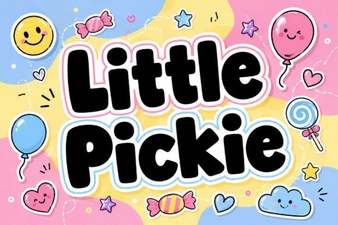 Little Pickie Font: Free Creative Web Font
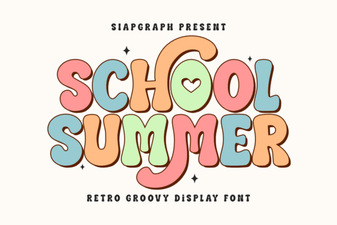 Best Fonts for School Summer Projects & Designs
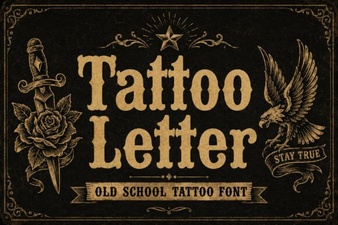 Creative Tattoo Letter Font Ideas & Styles
 Aesthetic Rigelsia Font for Creative Design Projects
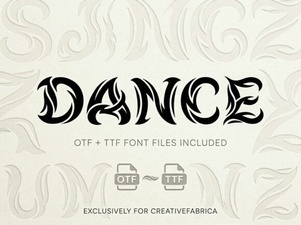 Free Dancing Fonts for Creative Projects